
Should I Sell My Real Estate?
One thing to consider when selling your practice regarding the real estate is do you want to be a landlord? We have years of experience being a landlord and there are pros and cons. The pros are that you retain the building and get a monthly rental payment. Hopefully, that rental payment covers the mortgage, taxes, maintenance, insurance, and any replacement of major capital items. That includes when the HVAC system or roof fail and they need replacing. The other pro may be an appreciation of the real estate. Currently, we are in a high real estate market. Real estate markets are cyclical. They go up and they go down. There is timing involved in a sale. You time it right and you can reap your rewards of all the years you have owned the building. Time it wrong, and you feel a little pain from not selling at the height of the market.
The cons are like the pros. Being a landlord requires you to be on call 24 hours per day and 7 days per week. If a heavy storm occurs and the snow collapses the roof, the wind blows a tree onto the building, or the parking lot floods into the building, guess who gets the phone call? That’s correct, you! We have been on the receiving end on calls that happen at 2:00 in the morning when the building started to flood.
Another con is when the lease is up and the tenant decides they want to own their own building. They didn’t tell you that they purchased the building next door and you now no longer have a tenant! The odds of getting another dentist to start up a practice in your building is very low. It will also be difficult to get another tenant quickly. There are three dental buildings within five miles of our office that have been vacant for several years due to this exact thing happening.
The third con is timing the market. We’re currently in an up-cycle market. With interest rates and building inventory low and demand high, building values and prices are on the high end. Holding onto the building so you can get some cash flow and then sell the building later could cause you to lose hundreds of thousands of dollars. Also, a building has more value to an owner/user than it does to an investor. That means when you sell your practice, a buyer may be willing to pay 100% of market value, or slightly higher than market value, in order to acquire the building. Whereas, an investor will try to negotiate and get the best possible price they can get.
In summary, owning your own building while you are in practice is the smart thing to do. You build equity, pay yourself rent and can do anything you want to the building. But after you sell your practice, it may be a different story. Consult with your transition broker, who should also have commercial real estate experience, and get sound advice to help you make the right decision.
How To Own Your Own Building
As everyone knows, we are in the midst of a good economy. Commercial real estate interest rates are still very low compared to prior years. We are seeing interest rates in the 4.25% to 5.25% range. In year’s past, we typically see them at 5.5% to 7%. The low-interest rates oftentimes make your potential mortgage note payment lower than what you’re currently paying for your lease. Also, the Small Business Administration (SBA) has loans where if you occupy more than 50% of the building, they have lower down payments and other requirements on the loans.
The real estate market is also at an interesting point in time. Baby boomer building owners (try saying that three times fast) are divesting their real estate portfolios in order to get their equity out to fund their retirement. This makes it an opportune time to acquire a building – the building where your practice is located or another one in your neighborhood. Or, possibly an investment property.
In times like these, there are winners and losers in the investment and real estate world. If you are sitting on real estate and need to move it, you are at quite an advantage. If you are in the market for buying real estate, however, now is also a golden opportunity. Veterinarians looking to purchase their own buildings have three options. One is to look for an existing building that can be converted over to veterinary use. The second option is to find vacant land on which a veterinary office can be built. The third option is to approach the landlord who owns the building you currently occupy and see if they would be willing to sell. There are advantages and disadvantages to each. Of course, if you are currently in a nice building, purchasing the building you are already in, makes the most sense. The main advantage of buying an existing building and converting it is time. It takes considerably less time to convert an existing building into a veterinary office than to start from the ground up. The largest disadvantage is the commitment to the basic structure of the building and the existing lot. The main advantage of starting from the ground up is that the building can be designed and built to exactly meet the veterinarian’s needs. The disadvantage is that it takes much more time to find the land, to have the building designed and permitted, and to construct the building.
As commercial real estate brokers, we can help you with the process of purchasing an existing building or land on which to build your ideal veterinary building. We can also assist in speaking with your current building owner to see if they would be willing to sell their building. The biggest mistake a veterinarian can make is to start the process with time running out on his/her lease. The process should be started at least 18 to 24 months before the end of your lease. It can take up to 6 months or more to find the ideal building or land and then an additional 1 to 2 years to convert an existing building or build from the ground up. It is also important to assemble a team that can support you throughout the entire process. We can act as a resource in helping you assemble your team. Your team should include people experienced in the veterinary field, who are familiar with the veterinarian’s wants and needs. Your team should include a general contractor, and may or may not include an architect, depending on the scale of the project. Your team should also include an attorney and a lender. The key to any successful venture is planning. Picking an experienced team of experts and working closely with them is critical to making a successful transition to owning your own office building.
If you think this might be the time for you to start looking for that ideal veterinary building, you can begin by calling the best veterinary real estate broker in the Northwest – Omni’s own, Steve Kikikis. Steve can sit down with you to start the process and layout a plan for owning your own building. Steve can be reached at steve@omni-pg.com, or you can call him at 425-905-6920.
Should I Sell My Real Estate?
A high percentage of veterinary practice owners own the building their practice is located. The longer the doctor has owned the practice, the more equity they may have in the building. They also are paying themselves a high rent for tax planning purposes. One of the questions we get asked when a veterinarian is considering selling their practice is, “Should I also sell my building?”
One thing to consider when selling your practice regarding the real estate is, do you want to be a landlord? We have years of experience being a landlord and there are pros and cons. The pros are that you retain the building and get a monthly rental payment. Hopefully, that rental payment covers the mortgage, taxes, maintenance, insurance, and any replacement of major capital items. That includes when the HVAC system or roof fails and they need replacing. The other pro may be an appreciation of the real estate. Currently, we are in a high real estate market. Real estate markets are cyclical. They go up and they go down. There is timing involved in a sale. You time it right and you can reap your rewards of all the years you have owned the building. Time it wrong, and you feel a little pain from not selling at the height of the market.
The cons are like the pros. Being a landlord requires you to be on call 24 hours per day and 7 days per week. If a heavy storm occurs and the snow collapses the roof, the wind blows a tree onto the building, or the parking lot floods into the building, guess who gets the phone call? That’s correct, you! We have been on the receiving end on calls that happen at 2:00 in the morning when the building started to flood.
Another con is when the lease is up and the tenant decides they want to own their own building. They didn’t tell you that they purchased the building next door and you now no longer have a tenant! The odds of getting another veterinarian to start up a practice in your building is very low. It will also be difficult to get another tenant quickly. Potential tenants are scared away because the building was formerly occupied by a veterinarian. They think there will be odors, or the general public has known that location as a veterinary practice location and it may be hard to change the general public’s view of that location. There are three veterinary buildings within five miles of our office that have been vacant for several years due to this exact thing happening.
The third con is timing the market. We’re currently in an up-cycle market. With interest rates and building inventory low and demand high, building values and prices are on the high end. Holding onto the building so you can get some cash flow and then sell the building later could cause you to lose hundreds of thousands of dollars. Also, a building has more value to an owner/user than it does to an investor. That means when you sell your practice, a buyer may be willing to pay 100% of market value, or slightly higher than market value in order to acquire the building. Whereas, an investor will try to negotiate and get the best possible price they can get.
In summary, owning your own building while you are in practice is the smart thing to do. You build equity, pay yourself rent, and can do anything you want to the building. But after you sell your practice, it may be a different story. Consult with your transition broker, who should also have commercial real estate experience, and get sound advice to help you make the right decision.
How to Own Your Own Building
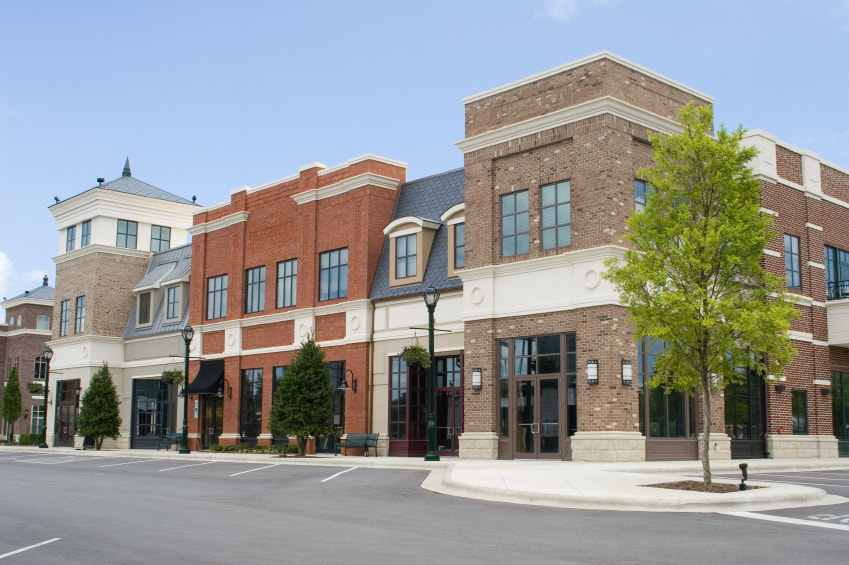
Today we address a question we hear frequently from dentists: If you are at a point in your career where you have paid off your school and initial practice loans, and are tired of paying your landlord’s mortgage payments for him or her, then now is one of the best times to purchase real estate as an owner-user.
As everyone knows, we are in the midst of a good economy. Commercial real estate interest rates are still very low compared to prior years. We are seeing interest rates in the 4.25% to 5.25% range. In year’s past, we typically see them at 5.5% to 7%. The low-interest rates often times make your potential mortgage note payment lower than what you’re currently paying for your lease. Also, the Small Business Administration (SBA) has loans where if you occupy more than 50% of the building, they have lower down payments and other requirements on the loans.
The real estate market is also at an interesting point in time. Baby boomer building owners (try saying that three times fast) are divesting their real estate portfolios in order to get their equity out to fund their retirement. This makes it an opportune time to acquire a building – the building where your practice is located or another one in your neighborhood. Or, possibly an investment property.
In times like these, there are winners and losers in the investment and real estate world. If you are sitting on real estate and need to move it, you are at quite an advantage. If you are in the market for buying real estate, however, now is also a golden opportunity. Dentists looking to purchase their own buildings have three options. One is to look for an existing building that can be converted over to dental use. The second option is to find vacant land on which a dental office can be built. The third option is to approach the landlord who owns the building you currently occupy and see if they would be willing to sell. There are advantages and disadvantage to each. Of course, if you are currently in a nice building, purchasing the building you are already in, makes the most sense. The main advantage of buying an existing building and converting it is time. It takes considerably less time to convert an existing building into a dental office than to start from the ground up. The largest disadvantage is the commitment to the basic structure of the building and the existing lot. The main advantage of starting from the ground up is that the building can be designed and built to exactly meet the dentist’s needs. The disadvantage is that it takes much more time to find the land, to have the building designed and permitted, and to construct the building.
As commercial real estate brokers, we can help you with the process of purchasing an existing building or land on which to build your ideal dental building. We can also assist in speaking with your current building owner to see if they would be willing to sell their building. The biggest mistake a dentist can make is to start the process with time running out on his/her lease. The process should be started at least 18 to 24 months before the end of your lease. It can take up to 6 months or more to find the ideal building or land and then an additional 1 to 2 years to convert an existing building or build from the ground up. It is also important to assemble a team that can support you throughout the entire process. We can act as a resource in helping you assemble your team. Your team should include people experienced in the dental field, who are familiar with the dentist’s wants and needs. Your team should include a general contractor, and may or may not include an architect, depending on the scale of the project. Your team should also include an attorney and a lender. The key to any successful venture is planning. Picking an experienced team of experts and working closely with them is critical to making a successful transition to owning your own office building.
If you think this might be the time for you to start looking for that ideal dental building, you can begin by calling the best dental real estate broker in the Northwest – Omni’s own, Steve Kikikis. Steve can sit down with you to start the process and lay out a plan for owning your own building. Steve can be reached at steve@omni-pg.com, or you can call him at 425-905-6920.
Choosing the Right Broker

- How many dental practices has your broker sold? If your broker just started selling practices and has sold between zero practices and ten practices, you may consider finding someone with more experience. Every transaction is different in the practice transition world. The seller, buyer, staff, patients, clinic, location, lease, building, attorneys, bankers, and others are all different for each practice. You must be able to manage different personalities, different types of leases, different building sales, loans, etc. It’s a complex mix to try to do with little experience.
- Who does your broker represent in the sale? Dual representation, where the broker represents BOTH the seller AND the buyer is illegal in several states and I question the ethics of it in all situations. You want a broker who will represent your best interest as a seller. Not the best interest of both the buyer and the seller. If a negotiating point comes up, how is the broker going to ethically work through the conflict by representing both sides?
- Is the broker licensed to sell a practice and real estate if the real estate is included in the sale? Some states require a broker to have a real estate license to sell a practice or any type of business. All states require a broker to have a real estate license to sell real estate. Check with the state department of licensing to see if your state requires a license and if the broker you are interviewing is licensed.
- Does the broker have any certifications or designations to perform a practice valuation? Designations may include a certified valuation analyst, accredited business appraiser, etc. Having a designation means they have spent the time to learn the ins and outs of a valuation and not just a simple rule of thumb. Certifications and accreditations require weeks and months of training, rigorous testing as well as review by a peer group of valuations.
- How does the broker perform their valuation? Do they do a site visit? Do they just use a rule of thumb valuation, which can be misleading? Do they use a cap rate, book value or production acquisition value? There are various types of methods and doing the valuation. Understanding how they get their numbers is important in the process.
- Has the broker sold practices to corporates? If so, have they been compensated by the corporate group in addition to being paid by the seller? This may be a tough question for some. Receiving compensation from both the seller and a corporate buyer can be illegal in some states. At a minimum, it should be disclosed to the seller that they are being compensated by the corporate buyer.
- Does the broker have a list of buyers ready to go? Having an active list of buyers will speed up the process of selling the practice.
- Where does the broker advertise the practice for sale? If they say “our website and the state association website” then you may consider moving on. A good broker will go above and beyond and advertise across the nation on many different websites and publications.
- Is your broker local, or at least familiar with your market? National brokers will sometimes sit from the comfort of their recliner while having you show your own practice, meet with buyers, send you documents and do most of the work. Local brokers will meet you at your practice, show the practice themselves and do what they are good at – selling practices.
- Are you comfortable with the broker’s personality and style? You’re going to be working closely with your broker through the transition process. The amount of time maybe up to 100 or more hours. Be sure you are comfortable with that persons’ style, demeanor and philosophy. Ask them questions about how they show the practice, what they look for in a buyer and how they determine a good match for your practice.
Choosing the right broker is an important decision. You spent a good amount of your time, money and emotional value building your practice. Your staff and patients have become like an extended part of your family. Wouldn’t you want to choose the best broker to look at for your best interest? Asking these questions of your broker will help ensure that you have the best broker in your area.