
Meet Everyone for Veterans: Connecting You to Those Who Have Served
Meet Everyone for Veterans: Connecting You to Those Who Have Served
By: Dr. Theresa Cheng, DDS, Founder and President, Everyone for Veterans
Founded in 2017 by Dr. Theresa Cheng, a dedicated periodontist from Issaquah, WA, Everyone for Veterans started as a small grassroots initiative. Today, E4V is an award-winning national organization, committed to serving veterans and their families. Our mission is simple: to provide goods, services, and comprehensive dental care, free of charge, to those who have bravely served our country.
Did you know that less than 15% of veterans receive dental benefits from the Veterans Administration? For many veterans, this means living each day with chronic pain and infection, impacting systemic health, mental well-being, and self-esteem. Through E4V’s no-cost relational and comprehensive dental care program, we aim to alleviate these burdens. Our volunteer dentists and partnering dental schools deliver essential dental health services to veterans who would otherwise struggle to afford them.
But our care model goes beyond addressing immediate dental concerns; it sets veterans on a trajectory toward long-term oral and overall health. Our partnering dentists not only eliminate pain but also restore smiles, rebuild confidence, and improve self-esteem.
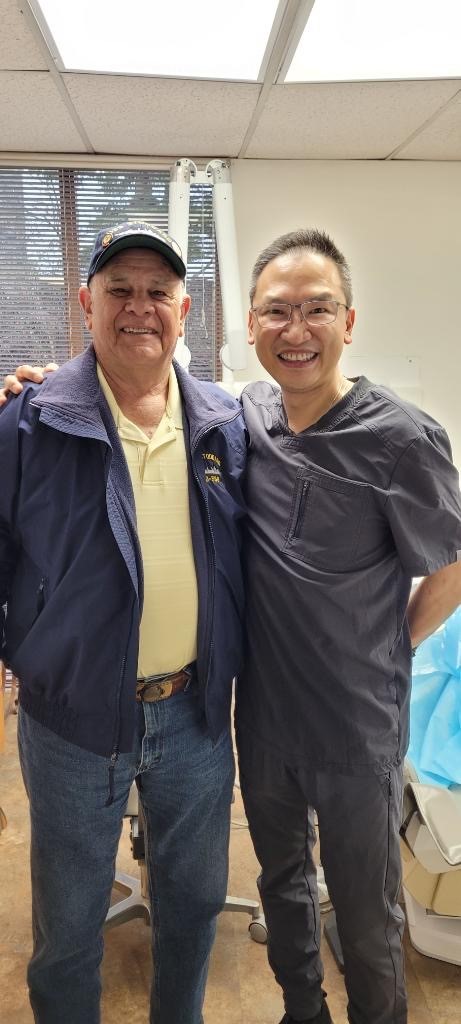
To illustrate the impact of our mission, we’d like to share the story of one of our recent veterans. Lin, a Vietnam veteran who served in the U.S. Navy, faced numerous challenges that prevented him from accessing dental care for several years. Chronic pain and infection severely affected his quality of life and kept him from doing the things he used to enjoy. Through our program, Lin was matched with Dr. Michael Yeh, a prosthodontist from Federal Way, WA. Dr. Yeh’s comprehensive approach, including extractions, bone grafts, and dental implants, transformed Lin’s life. Following his dental care, Lin shared, “I’m more comfortable all the way around and the infections in my mouth are gone. I can’t thank E4V enough for connecting me with Dr. Yeh and his team. Everyone involved was wonderful.”
Volunteer dentists like Dr. Yeh play an essential role in forging meaningful connections with the veterans in our program. Their dedication serves as a reminder that veterans are not forgotten and that their sacrifices endure in our collective consciousness. With each act of kindness, our volunteer dentists contribute to building a society characterized by compassion and resilience.
Today, we invite you to make a profound impact on the lives of our nation’s heroes by partnering with Everyone for Veterans. By dedicating your skills to providing dental care to a veteran in need in your community, you can help them regain their oral health and improve their overall quality of life.
Join us in making a significant difference in the lives of veterans. Together, we can create healthier smiles and brighter futures for veterans and their families.
For more information, please visit www.everyoneforveterans.or or email info@everyoneforveterans.org.

Practice Transition Market Trends
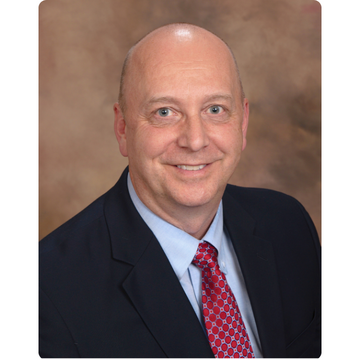 By: Rod Johnston, MBA, CMA, Owner and Founder
Over the years, the market for practice transitions has changed. Sellers sell for different reasons than they did ten years ago. Buyers make their buying decisions much differently than they did ten years ago. And, the veterinary industry has changed in a number of ways over the years as well.
When we first started selling practices approximately 20 years ago, the primary reason veterinarians told us they were selling was because they were ready to retire. The average age of retirement back then for a veterinarian was 64 years old. The most recent survey by the American Veterinary Medical Association has the average retirement age for a veterinarian of 70. Veterinarians are selling for reasons besides the fact that it’s time to retire. More and more, we see veterinarians retiring for three primary reasons:
- Staffing challenges – Sellers are having to deal with a revolving door of staff. With the staffing shortage because of the covid shutdowns, staff members are being recruited by other offices. Staff members leave for a little more money to go to work at an office nearby.
- Stress – Veterinary practice owners are complaining that they are working longer hours and more days than they were five or ten years ago. This is due to shortage of not only staff, but also a shortage of veterinarians. Some practices have closed. Corporates are paying associates bonuses and higher salaries. This is causing associates to leave the mom and pop veterinary clinics to go work for more money at a corporate office. Owners are having to work six days per week to keep up with the demand for veterinary care. Pet ownership and consumer spending on pet care is also increasing.
- Compassion Fatigue – This is the psychological, physical and emotional impact of constantly caring for others, often through stress and trauma. Veterinarians are constantly caring for animals and their owners. Veterinarians often work long hours and 5 or 6 days per week. This gives them little to no time to take care of themselves. The result is the stress with no release takes its’ toll and causes compassion fatigue.
Practice Buyers have also evolved. Fifteen years ago, a potential buyer would sign a non-disclosure agreement, take a look at the practice numbers, and then visit the practice. They would typically then decide to move forward or not. It was pretty quick and simple. The buyers would be an associate who had been out of school for from 2 to 5 years. They would focus on the numbers and the location and might bring in an accountant to review the tax returns.
Buyers nowadays are not only those who have been out of school for a few years, there are also corporate’s looking at larger practices. There are more veterinarians moving from other states to buy practices as well. A potential buyer quite often has someone representing them. It may be a buyer’s representative or an accountant who does more than just look at the profit and loss of the practice. Buyers scrutinize not only the numbers, but the technology in the practice as well. Corporate’s do a complete physical on the practice.
Good practices in good locations still sell reasonably fast. Good practices are those that collect $700,000 or more with overhead below 70% and the practice technology and décor is up to date. Good locations are in populated areas that are desirable to the public in general. Metropolitan cities and practices within 30 minutes of these areas are good locations. Locations in other urban areas will also sell quicker than rural areas. Practices in rural locations do sell. They just take a little longer than normal.
Whether you’re thinking about selling, or thinking about buying a practice, we’re here to help. Contact one of Omni’s Transition Consultants to steer you in the right direction.
Read MoreSelling to an Individual Buyer or a Corporate Buyer is Going to Take Time! Start Planning NOW!
 By: Steve Kikikis, Vice President, Broker
Retirement…. Ah, that sounds nice! Right? But the process requires careful planning, especially when it comes to selling your veterinary practice. While the idea of selling may seem straightforward, the reality often proves to be far more complex. Selling a veterinary office isn’t putting up a “For Sale” sign and waiting for buyers to come knocking. Whether it’s finding the “right” individual buyer or selling to a corporation with a complex work agreement, veterinarians should start planning to sell their practice at least three years before they’re ready to retire. Omni Practice Group can help you determine your timing now.
Lack of Buyers for Individual Sales and Extensive Due Diligence.
Selling a veterinary practice to an individual buyer is a lengthy process. Depending on your location and type of practice, it can take anywhere from twelve months and up to thirty-six months for remote locations or “unique” practices. The greatest time factor in this scenario is the shortage of buyers across the nation. Potential purchasers are scarce, particularly those who meet the criteria and financial requirements necessary to acquire a veterinary practice. Fewer and fewer individuals are signing up to become practice owners and are willing to work the five days a week that may be required for a successful practice; instead many are opting to remain associates. That being said, good practices in good locations that are well managed do sell reasonably quick.
Omni Practice Group and I work hard to market your practice to potential individuals in as many ways as possible. We place classified ads with state and local veterinary associations, national publications, and veterinary school alumni websites and newsletters. We put on buyers’ seminars, attend conferences, speak at schools, and we work diligently to maintain an extensive database of potential buyers; ensuring if there is a doctor considering buying, they will see your practice (confidentially of course). We leave no stone unturned. Once we have found a buyer, they will need time to thoroughly evaluate the practice’s financials, client base, operational procedures, secure financing, negotiate terms, and other critical aspects. This thorough due diligence helps ensure that the buyer understands the investment they’re making and helps them assess the practice’s viability and potential for future success. But it takes time!
Whether you’re five years away or five months away from selling your practice, there’s no time like the present to not only start thinking but also to start planning for your transition. We are happy to help in any way we can and offer a free transition plan consultation. We’re only a phone call (or e-mail away) Call Steve Kikikis at 425-905-6920 or email at steve@omni-pg.com
Read MoreTypical Concerns of Sellers
Typical Concerns of Sellers
By: Megan Urban
Most dentists may only buy and sell a practice once in their career, so it’s nearly impossible to know what to expect. You may have a few friends that have done it, but like wisdom teeth removal or birthing a baby, you will hear some wild and crazy things that may not be entirely accurate. We’ve helped dentists with hundreds of practice transitions and are happy to share what realistically happens. Below are some of the standard stresses that sellers have shared with us in the past so you can become oriented and keep positively moving forward.
Where do I start?
Talk with your broker or transition specialist so we can learn about your specific situation and discuss how we might help.
Do I sell my building or condo with my practice or later?
In most situations we recommend selling the real estate at the same time that you sell your practice. You will get the most value for your space if sold to a dentist and an empty dental space is difficult to sell unless you own oceanfront property. We also don’t want the new buyer to lease for a few years, then relocate and build a practice in a new, high-tech facility. Depending on the cash flow of your practice the buyer may not need a downpayment on the real estate portion, but if so, typically you as the seller may decide to carry that note.
Should I update my office and get new equipment?
If your office looks like it’s from 1985, let’s discuss if getting new carpet and paint may be worthwhile. If all your chairs, x-ray units, etc. all still work, we may want to wait and let the new dentist purchase what they want or need. Typically, banks will loan additional funds to cover any mandatory equipment the buyer needs to sit down and produce at least what you have been producing.
Do I have to sell to a large dental services organization?
You can sell to any buyer you determine is the right fit for you, your patients and team. Often large groups want you to stay on and work for a few years and meet production goals. They typically pay you a certain percentage of your practice sales price at the time of the sale and pay out the rest over a negotiated term. And for the record, we don’t know any groups paying 5-10% EBITDA. This thought is out there and the only way you may get there is if you count the amount they pay you as a provider for years, not truly the purchase price. Any practice must pay you for your work. I know there is a lot of concern about the large dental services organizations, and they are here to stay, but we still sell to many private practice dentists.
Should I tell my team I plan to sell?
We don’t recommend it because they typically get anxious and look for another job. I have had times where the dentist was not comfortable with waiting, and we figured out a way to present this to the team and retain them.
How do I know how much my practice and building are worth?
We can do a complimentary quick look and give you an idea of what your practice is worth. We can also complete a full valuation of your practice if you would like. If you list your practice with us, a Practice Prospectus will also be completed that we provide to potential buyers. When selling the real estate, we also complete a Brokers Price Opinion. With this information we determine both the price of the practice and the real estate together. You have the opportunity to look at offers provided by any potential buyers.
Can young dentists get money to purchase my practice?
Dental-specific lenders understand dentistry and if the cash flow supports the sales price, they will loan the full practice amount and usually provide around $75,000 for working capital. The banks understand that young buyers have a large amount of student debt.
How do I get sales documents?
Your dental attorney will draft those documents and we can provide you with some recommendations for dental-specific attorneys. Your attorney will provide guidance and ask questions to help complete the appropriate documents for your situation. We always strongly suggest that the buyer work with a dental-specific attorney as well so that everything goes forward in a timely and correct manner.
How long will it take to sell?
On average it may take 6 months to a year. Depending on your profitability and location, it may be faster, or we’ve seen it take up to three years. Young dentists typically like to make at least $250,000 or they may consider staying at their associate position for the same income and little responsibility. Buyers love to be able to add services, so if you are a few years out from selling, consider making your own codes to bill out regarding referrals to each specialist.
Is it mandatory or optional for me to stay on and work?
There are always options. If you provide services the buyer does not, you may need to stay on until the buyer can learn to take over these procedures. If you want to work, it’s something to discuss. The buyer may not want to work as much, and you can negotiate staying on. The Lender may not allow it if the cash flow is too low. The buyer may need all of the production to pay the loan. Sometimes we see sellers stay on for a while or cover vacation or maternity leave. If you are in the office providing services, you need to be paid and the attorney will write an Employment Agreement.
How do I sign sales documents and get paid?
Typically, final documents are signed electronically, and escrow helps facilitate this. Escrow will also look at items such as personal property tax, utilities, etc. and do a proration of those amounts, and the final amount owed to you can be sent by check or electronically deposited into the account of your choice.
Like anything you don’t do on a regular basis, selling a practice can be stressful. Rest assured that all your trusted dental advisors, broker, CPA, and attorney, will proactively guide you through the process. Each transition is truly unique, and we deal with issues that arise and help you to obtain your goals. Give us a call so we can understand your specific situation and what next steps may be best for you and your family.
Read MoreCorporate Buyers: A Long-Term Commitment
By: Steve Kikikis, Vice President, Broker
As you know, in recent years, corporate buyers have emerged as prominent players in the veterinary practice acquisition landscape. In 2024, there are still many corporates buying good practices. While selling to a corporate entity offers certain advantages, such as financial security and access to resources, it comes with specific expectations. Corporate buyers typically seek a long-term commitment from the selling veterinarian, often requiring them to stay on for two to three years post-sale.
This requirement serves multiple purposes, including ensuring a smooth transition of ownership, maintaining continuity of care for patients, and facilitating the transfer of knowledge and expertise to the new owners. There will also be financial expectations outlined in the work agreement for the outgoing doctor and even their associates. For veterinarians considering retirement, committing to an extended post-sale tenure will push your retirement plans out at least two to three years, underscoring the importance of early planning.
At Omni Practice Group we are experts in selling veterinary practices. This is no regular sale, this is a multifaceted process that demands careful consideration, strategic planning, and plenty of time. By initiating the sale process at least three years before retirement, we can help you navigate the complexities of the market with greater ease and confidence; giving you time to find the right buyer for your practice and facilitating the smoothest possible transaction.
Your plan of action – Contact me today, and I will help evaluate your practice. By doing this we can determine the value of the practice, who would be considering buying your office, and how much time it will take to find that individual buyer or whether a corporate buyer may be a better match. Call Steve Kikikis at 425-905-6920 or email at steve@omni-pg.com
Read More