
Current Trends For Veterinary Practice Buyers
Since Omni started in 2004, we have sold well over 300 practices. Prior to approximately seven years ago, the majority of the practices had been sold to individual veterinarians buying their own practices. The past seven years, most of our sales have been to corporations. They have been paying big bucks to acquire practices. They have been paying associates handsomely to work in those practices. But is the trend flipping again back to individual buyers?
Corporate buyers have always told us that they want to acquire large practices with two or more doctors working in the practice. They have been doing that successfully. So well, that it’s hard to find a multi-doctor practice that isn’t owned by a corporation. I know, there still are some, but a lot of them have been gobbled up by the big guys. And they’ve paid a multiple of EBITDA (Earnings Before Interest, Taxes, Depreciation, and Amortization) ranging from a low of 6 to as high as 20 (or more) in certain cases. One of the requirements for the sellers is that they stay in the practice and commit to work for anywhere from 2 to 5 years in their practice after it’s sold depending on what’s been negotiated. Here’s where the corporates are now realizing what happens when the doctors are done with their commitment. The selling doctor may retire completely. The corporate then needs to get another associate. Associate veterinarians are not easy to find these days. Thus, the rush to open up a few more veterinary schools. So, that leaves them with a practice with one less doctor if they can’t find an associate.
Here’s another trend we are seeing. Some of the smart, entrepreneurial younger veterinarians, in their 40’s and 50’s for example, who sold their practices and have fulfilled their commitment to a corporation are now back on the market looking for a practice. They got tired of some of the corporates telling them which supplies and equipment to use and, in some cases, even which procedures to perform. (Yes, I know, they’re not supposed to dictate clinical work, but some do).
As I previously stated, corporations have been passing up on acquiring the majority of the solo doctor practices. We see lots of practices with only one veterinarian collecting a million dollars or more, booked out a month or two, working six days per week and they just can’t find, or afford an associate. Some of these practices, if they had two doctors, would quickly grow to collect $1.5 to $2.0 million. Those practices are prime acquisition targets for the solo doctor who sold to the corporate, has practice management skills, can retain the selling doctor, and quickly grow the practice. They can potentially then sell the practice in a year or two to a corporate as they now have a multi-doctor practice if the seller stays on. Or, they can hold onto the practice and reap the cash flow from the now two-doctor practice.
Note to the young buyers out there that have been out of veterinary school for 3 to 5 years, you can do this too! The seller has the experience of running a practice. Many that we speak with are willing and want to stay on to mentor the buyer and help run the practice, they’re just getting tired and want to cut back a few days. Most love being a veterinarian and want to continue the clinical aspect of veterinary work. They just want to pass on the management to the buyer and work less days. So, the opportunity is ripe for veterinarians who are tired of working for a corporation and want to own your own practice. You don’t even have to sell to a corporate. You can hold onto it and make it your own practice for years to come and be proud of what you’ve built, or the legacy you’ve carried on.
There are a lot of great solo-doctor practices out there waiting for a buyer to come along. The potential is both lucrative and gratifying to the buyer and the seller. You don’t need to work in a corporate environment the rest of your life. You can enjoy your freedom and work in your own practice. The choice is yours.
We’re always just a free phone call away and happy to help in any way we can.
Read MoreThe Importance of a Good Team When Purchasing a Dental Practice
Buying a practice can be a daunting task. That’s why it’s important to not only have the skills and education to analyze a practice, it’s also important to have a good team on your side. On your team, you will want a Certified Public Accountant that has a big emphasis or specialization in your field. They need to know the industry, numbers, etc., they should also be accredited in practice valuations. The second person on your team will be a dental specific attorney. There are too many idiosyncrasies to not have someone who doesn’t specialize in your field. Non-compete provisions and other conditions are specific to dentistry. A banker that specifically works on practice loans is another important member. They will know the reasons why a practice may be what it is and explain to the underwriters what’s going on in the practice. You will also want a broker who has done many transitions. Having an experienced broker will help make the transition as smooth as possible. Another person that may be necessary is a dental consultant. The consultant can help analyze the practice and make sure it’s what you are looking for. Omni Practice Group has a list of many of these team members. If you would like our preferred list of vendors, please e-mail us at info@omni-pg.com.
Read MoreEntrepreneurial Energy
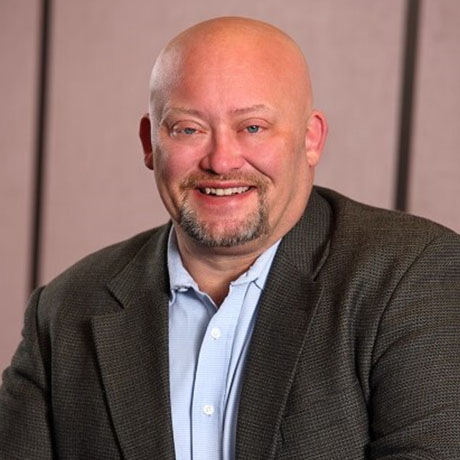 By Corey Young, MBA, Practice Transition Specialist
What defines entrepreneurial energy? According to David Lyons PhD,
“Entrepreneurial energy is the force that sustains the momentum and velocity of progression in the venture. Energy can rise through excitation/agitation and fall through decay of the energy as a result of predicaments or failures.
Entrepreneurial energy is an endogenous force that fuels motivation and sustains entrepreneurial action and momentum. Encapsulating hope, optimism and obsessiveness, the nature and experience of the entrepreneurial energy provides meaning to the entrepreneurial pursuit and venture. Entrepreneurial energy is a motivational construct characterized by positive intense feeling, emotional arousal and internal drive and engagement in the pursuit that is salient to the self-identify of the entrepreneur. The positive affective state also generates positivity in the cognitive state fostering creativity and recognition of new patterns of information critical to opportunity recognition and exploitation in the external environment.
Entrepreneurship, after all, is a science of turbulence and change, not continuity. Turbulence is caused by certain force. Such is the force in entrepreneurship, like the wind is felt but not seen; or seen through the ruffle of the leaves but not the wind itself.”
Most of you reading this article can relate to those attributes, especially early in your career. Remember talking to your friends in veterinary school and making plans for your practice? Remember the excitement of updating your new practice? Remember the hours put in behind the scenes to get the practice where you wanted it?
Do you still have that energy in you? If you do, this is a great time to be a veterinarian entrepreneur. Consolidation is happening and it will favor the big and the bold.
What if you don’t? That is okay also, but the time to consider harvesting your practice asset is now.
In my exit-planning training, coaching our clients to either grow or sell their businesses was absolutely paramount. Stasis really is an illusion. Equipment gets older. Technology becomes dated. Marketing plans become obsolete. Business values decline.
So ask yourself, grow or sell?
Read MoreEntrepreneurial Energy
 By Corey Young, DDS, MBA, Practice Transition Specialist
What defines entrepreneurial energy? According to David Lyons, PhD:
“Entrepreneurial energy is the force that sustains the momentum and velocity of progression in the venture. Energy can rise through excitation/agitation and fall through decay of the energy as a result of predicaments or failures.
Entrepreneurial energy is an endogenous force that fuels motivation and sustains entrepreneurial action and momentum. Encapsulating hope, optimism and obsessiveness, the nature and experience of the entrepreneurial energy provides meaning to the entrepreneurial pursuit and venture. Entrepreneurial energy is a motivational construct characterized by positive intense feeling, emotional arousal and internal drive and engagement in the pursuit that is salient to the self-identify of the entrepreneur. The positive affective state also generates positivity in the cognitive state fostering creativity and recognition of new patterns of information critical to opportunity recognition and exploitation in the external environment.
Entrepreneurship, after all, is a science of turbulence and change, not continuity. Turbulence is caused by certain force. Such is the force in entrepreneurship, like the wind is felt but not seen; or seen through the ruffle of the leaves but not the wind itself.”
Most of you reading this article can relate to those attributes, especially early in your career. Remember talking to your friends in dental school and making plans for your practice? Remember the excitement of updating your new practice? Remember the hours put in behind the scenes to get the practice where you wanted it?
Do you still have that energy in you? If you do, this is a great time to be a dentist entrepreneur. Consolidation is happening and it will favor the big and the bold.
What if you don’t? That is okay also, but the time to consider harvesting your practice asset is now.
In my exit-planning training, coaching our clients to either grow or sell their businesses was absolutely paramount. Stasis really is an illusion. Equipment gets older. Technology becomes dated. Marketing plans become obsolete. Business values decline.
So ask yourself, grow or sell?
Read MoreBuy an Existing Practice or Build a New One?
 By
By We speak with hundreds of practice buyers each year. Many are looking for that gem of a practice in their desired area; a practice with new or newer equipment, digital technology, great location, recently remodeled, etc. Oftentimes, that practice either doesn’t exist; or if it does exist, it’s not for sale. So what’s a buyer to do?
Omni is a rare breed in the practice broker world. We not only provide practice transition and valuation services for veterinarians – both buyers and sellers – we are also experts in helping veterinarians with their real estate needs. We are often asked in seminars, at conferences, or over the phone, “Should I buy an existing practice, or do a startup?” I often suggest that veterinarians spend some time looking for a practice in their desired location. If they can’t find one, they should consider starting a practice, especially if the doctor is 100% certain of the area in which they want to practice.
I recommend that veterinarians do a bit of demographic analysis on the locale. See how many vets are currently practicing in the area. A good ratio is 3,000 daytime population for each doctor in an urban population. In a rural population, the ratio is 10,000 daytime population for each doctor within a 20-mile radius. There is a difference between the daytime population and the regular (nighttime) population. The daytime population includes the workforce. For example, if you look at the population of South Lake Union during the day vs. the nighttime population, you would see a big difference. Another demographic to pay attention to is the age of the population. For a companion practice, a middle-aged to an older population is generally better. Homeownership is another good indicator of practice success. You want to have more homeowners than apartment renters. You can obtain detailed demographics either through a company that will charge a fee and provides data such as the average annual dollar amount spent on veterinary services per person within a zip code and other more granular items. Or, Omni has information that we can provide.
If you perform the necessary research and find that opening a new practice in the area you like makes sense based on the numbers, we suggest that you go for it. We have helped many veterinarians over the years do demographic research, find a space, and negotiate a lease. Steve Kikikis is our go-to person for real estate leasing and sales. You can reach out to Steve anytime by sending him an email at steve@omnipg-vet.com.
Read More