
Why Practices Don’t Sell
By Megan 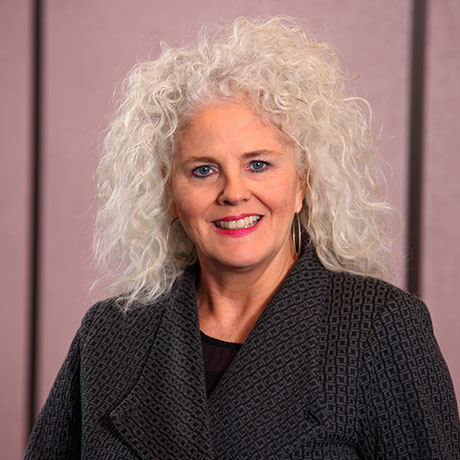 Urban, Practice Transition Consultant
Your practice has successfully worked for you for many years so why isn’t it selling? It could be the transition consultant (broker) you are using, or it could be your practice.
Working with an experienced transition consultant is important. We know where and how to advertise. It doesn’t work to simply advertise on a website. You will want marketing and advertising in schools across the country, dental journals, and county/state societies. An experienced consultant already has a list of potential buyers for your area or type and may have other creative grassroots ideas to find the right buyer.
The right consultant cares about you, your team, practice, and goals. It shouldn’t be just about the commission money. Your consultant should be responsive and professional to potential buyers and you.
A comprehensive valuation and prospectus are important. If you or your consultant price your practice too high, it can be offensive to potential buyers, and they won’t feel comfortable offering a lower price. Even if you find a buyer willing to overpay for your practice, the bank will not finance 100%, which means you have to become a bank for a specific amount of the purchase price.
Sometimes even when you have the right consultant your practice may have other reasons for not selling. Sometimes it’s simply not finding the right dentist at the right time. Often it is because your location is not desirable to new buyers and their families. Sometimes it’s the size of the practice. We all know 3 op practices can be very efficient and profitable, but many buyers want 4 to 6 ops, especially to add more hygiene.
Declining collections the last 3 years or simply low collections can be a deterrent to potential buyers and banks unless you have a reason. They understand more time off due to vacation or health issues. Low new patient count, too many PPOs with low reimbursement, and low hygiene production can be concerning to buyers.
Most buyers understand they may need to update style or equipment and technology, but if it’s a lot of cost and effort, they may keep looking for a better practice.
If your practice falls into any of these areas of concern, it will take more time than the average to sell. Lowering the price may help, but if there is no interest, it’s not the price that’s the problem. Don’t give up or get mad, just understand that while your practice may have been perfect for you, it can be a while to find the right buyer.
Top 5 Fears Veterinarians Have About Practice Ownership (And How to Overcome Them)
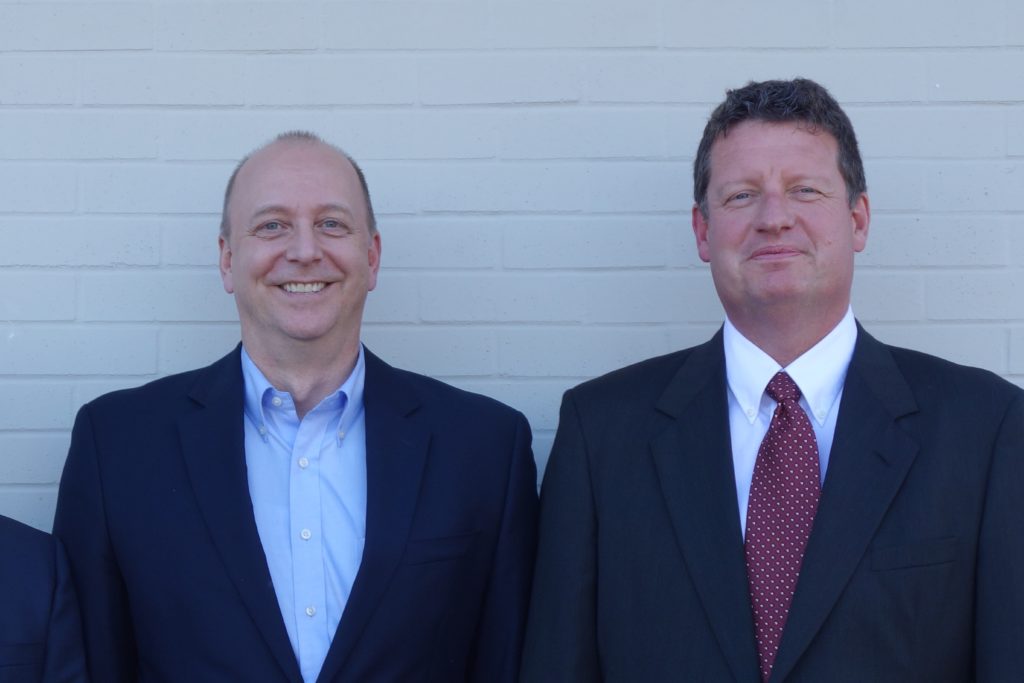 By Rod Johnston MBA, CMA, and Jim Vander Mey, CPA, ABI
There are many advantages to owning a veterinary practice over being an associate veterinarian and not owning a practice. For one, the average veterinary practice owner makes approximately 20% more in income than an associate veterinarian working for someone else. A veterinary practice owner also gets to choose what procedures he wants to perform and what type of animals he or she wants to work on. Heck, they even get to choose which animals they want to work on. They can also choose their own hours, pick the days they want to work, and how much vacation they want to take. So, why aren’t veterinary associates owning practices? What are they afraid of? Here are a few fears we have encountered and how to overcome those fears:
- Fear of the unknown – Associates feel they don’t have the experience in owning a practice. They haven’t managed staff. They haven’t kept financial records. They don’t know what marketing to put in place. They don’t know what benefits to give employees, how to hire or fire employees, or even how to balance a checkbook.
Fear not, you don’t have to know everything at once. You know how to do veterinary medicine. That’s the first step in owning a practice. You have a few years of experience working as an associate in a veterinary practice. You’ve observed the owner working with and managing staff. You may have experience leading a team in school, playing sports, etc. These are all examples of good experience in handling staff. You don’t have to know how to keep books right away. We suggest getting a veterinary bookkeeper and then getting educated on reading financial statements. This can happen over time. Bottom line is if you are good at what you do and willing to learn the other parts of practice ownership, you’ll be just fine. - Fear of taking on more Debt – Read Robert Kiyosaki’s book, “Rich Dad, Poor Dad”. Not all debt is created equal. There is good debt such as student loans and practice debt that helps generate an income and there is bad debt such as credit card debt where you just borrowed money because you wanted something. Practice debt used to buy a practice that will help you make more money and build equity in an asset (the practice) is a positive thing. As long as it’s a good practice with good cash flow, you’ll be money ahead in the long run.
- Fear of the Corporate Giants – Don’t fear the corporate giants. They have their own niche targeting bargain shoppers and lemmings who follow the crowd. They also have a high turnover in their staff and doctors. You will provide excellent service with the same staff and veterinarian that the clients will see every time they come to your office. In a corporate environment, they’re not sure who they’re going to get.
- Fear of not knowing what to look for – This is a valid concern. You can educate yourself in a number of ways. There are great resources via podcasts, YouTube, etc., that can help you know what to look for. Quite simply, you start by looking at your desired location, then look at the cash flow of the practice and after that, you can get into the details. There are consultants and brokers who can also help you with reviewing practices. Identify your team that will help you overcome this fear.
- Fear of a recession – Recessions happen, typically every 8 to 10 years and last 10 to 12 months. You cannot avoid recessions or downturns in the economy, it’s part of life. But, during recessions, employees typically get laid off from work. If you own your own practice, you’re probably not going to fire yourself. You’ll probably keep yourself employed and busy. Owning a practice is a deterrent from getting laid off during a recession.
These are a few of the fears that we’ve seen over the years, and there are others as well. But, the best thing you can do is educate yourself and talk to practice owners, brokers and bankers. Seek advice and counsel from everyone you can. This will help you make a wise decision in moving forward with practice ownership.
Read MoreGetting Your Practice Ready to Sell
 By Cindy Pauley, DDS & Practice Transition Advisor, OMNI Practice Group
You are ready! You woke up one morning early last week and said to yourself, “It’s Time!”
You have loved being a practicing dentist. But for a multitude of possible reasons, you are ready to sell. So, what’s next? You look around and think is my practice ready to sell? All of a sudden you see the chipped paint and remember the door that sticks if you don’t open it a certain way. Not unlike a house that you are putting on the market, some quick accounting of your practice is in order. Unlike a house, big and costly upgrades will not net you a higher sales price. So, let’s talk about what is a great bang for the buck and what may be money thrown out the window.
First, some really great things that don’t cost much. If your paint is chipped worn or aged… paint! Painting is simple, fast, and the quickest way to make a great first impression during the showings. Second, and advisably after the painting, upgrade flooring if it is worn or really outdated. For both of these options, go for smart clean colors. For the flooring options, keep it simple. Commercial carpet or carpet tiles and vinyl sheet or luxury vinyl plank (LVP) are quick to install and look great.
Second, fix all minor repairs. Doors that stick, duct tape on a hose, or worn fabric on chairs can be easily and inexpensively repaired and add to an overall feeling of a well-run business.
Third, declutter your entire office. It is time anyway. Put things you can’t part with boxes and get them out of the office. Otherwise, use your local goodwill and dumpster and let things go. Walk through the office as if you were going to buy this practice. You know that you would want to have clean, clutter-free spaces to visualize your future dental life in.
Even if you choose to postpone your sale, all the things I have just mentioned should be done if they are needed regardless, so it is a win-win! Your staff and patients will love everything mentioned and it is an inexpensive boost to the whole business.
Notice what I didn’t include? That’s right. I didn’t include any expensive dental equipment upgrades. Much to the dental supply company’s sadness, new dental chairs and a cone beam are not a good investment if you are planning to sell soon. Do not buy a new laser or a CAD CAM machine because big equipment purchases, with rare exceptions, do not pay for themselves when a sale is imminent.
Ok, you are all set. Now what? Well, give a practice broker a call in the meantime to start the valuation process. A side benefit is that we are happy to come out to your practice and let you know what we see as the best things you can do prior to listing. Be ready for the answer to be that nothing needs to be done. If you look around and think “it looks pretty good here”, chances are we will too.
My door is always open for consultations at any stage of your practicing life. I am always excited to help you navigate the pathway to your new life’s adventures.
Read MoreDental Seller Preparation Checklist
The best time to start preparing for your practice transition is three to five years from the date you plan on selling your practice. Since you may not really know that date, the best time to prepare is NOW! Here is a checklist of things you should do as you get closer to deciding to sell your practice:
___ Meet with your Financial Advisor – Discuss with your financial advisor that you are thinking of selling your practice. If the intention is to retire, let them know that is your plan. Ask them how much you may need to retire at the income level you desire.
___ Discuss Taxes with your Accountant – This is especially important in the current environment. There have been discussions at the government level to increase both capital gains and income tax rates significantly. Both affect the proceeds you will receive from the sale of your practice.
___ Obtain a Practice Valuation – It’s best to get a full valuation. You can provide this to your financial planner which will help determine when you will be able to retire if you get the desired amount from the sale of your practice. If you can’t yet retire now, most practice valuation companies or brokers will update the valuation for a minimal charge.
___ Keep your foot on the gas – Don’t slow down in your production. In fact, if possible, ramp up production to get the maximum value from your practice sale. Banks and buyers like practices that are trending up in production instead of going down.
___ Assess the condition of your practice – Do you have 20-year-old flooring that is faded, stained or torn. Replace it. Do you have mustard-colored countertops from 1970? Update the countertops. Paint will do wonders as well. Don’t spend a mint, but spend a reasonable amount – $10,000 to $20,000, to make the practice look and feel fresh and updated.
___ Clean up your Accounts Receivable – If you have credit balances on patient accounts, you’re required to send those back to the patient after a certain number of years. Each state has its own Unclaimed Property, or Escheatment law. You can find it on the internet. If you cannot find the patient, you are required to submit the balance to the state. Note that you can charge a nominal processing fee to the patient.
___ Self-assess your practice numbers – Is your staff payroll and benefits expense above 25% of your total collections? Is your production down, but you have the same staffing level? Is your dental supply fee over 7% of collections? Know what your ratios should be and manage to your numbers. Contact a consultant if you’re not sure what to do.
___ Know the market – Are practices in your area selling quick? Are interest rates super high? If it takes two or three years to sell a practice in your area, then you may want to list it soon rather than later.
___ Do a self-assessment – Think you’re five years away, but your back, neck or hands are telling you – SELL NOW! Burned out on managing staff and insurance companies? Just tired of living where you live and are ready for a change? All these may lead to selling sooner than your retirement date. Just because you sell your practice does not mean you have to retire. You can still practice either in yours or someone else’s practice. Or, maybe you’ve always wanted to do something different. Maybe it’s time to test the waters. You can always go back to being a dentist. I know several dentists who semi-retired and work as a dentist two days per week and drive Uber or LYFT two days per week for fun.
___ Contact a broker – Some of the best transitions we have done began several years before the sale occurred. We built relationships with the seller. In several cases, we found a buyer asking for a specific area. We made the call to one of the dentists we had a relationship with and they said “it’s time”. Brokers can also be advisors over the final two, three, or five years of your practice ownership. Should you buy the new CBCT? Should you hire an associate? We can help answer those questions.
Selling your practice is a major life event right up there with buying your first practice. Be sure and prepare, have a plan and get the right advisors. We’re always here for you and phone calls are always free. Give us a call – 877-866-6053.
Download your own checklist here: Seller Preparation Checklist
Read MoreSeller Carrybacks and Veterinary Practice Transitions Today
You’ve heard the term “Seller Carryback,” but what does it mean?
Seller carryback financing is when the seller of a given property, or in this case, a seller of a veterinary practice and assets, acts as a lender for the buyer if a conventional bank will not offer the full amount that the buyer needs to close the sale.
Years ago, it was commonplace for a retiring veterinarian to act as the lender for someone to purchase a veterinary practice. Seller financing was driven largely by the fact that banks and financial institutions had yet to embrace the industry like they do today. Therefore, there was a wide variety of structures, interest rates, terms, etc. that were built into those transitions and the exchange of funds between the buyer and seller.
Much like the rest of the veterinary world, the industry and the financing supporting transitions have evolved. In most transactions, it is quite common for the seller to receive all the cash at the time of closing, which is ideal. However, certain circumstances still exist where seller participation in financing is a requirement. In these cases, the buyer’s lender will require the seller to carry a certain portion of the purchase price. Usually, that amount is 10-25% of the total purchase price. Why would a bank need that, you might ask? Some common scenarios include: a declining revenue trend, uncertainty around the buyer’s production capability, and tight cash flow, to name a few.
Every lender has different standards around seller participation, but here are some common features of that path in the current environment:
- Term: Most carrybacks are amortized similar to the buyer’s bank loan. Payments based on a 10-year repayment are common.
- Rate: Since these loans are typically junior to the bank loan it is not unusual to see a seller note 0-2% higher than the banknote. Right now, around 5% is reasonable.
- Prepayment Penalty: Sellers typically want to receive the funds over a shorter timeline of 10 years. Most carrybacks do not have prepayment penalties so that the loan can be paid off or refinanced within 24 months of the transition.
With talks of increasing capital gains taxes in the near future only time will tell how prevalent carrybacks will become.
For more information, please contact us today.
Read More