
Scheduling After Covid
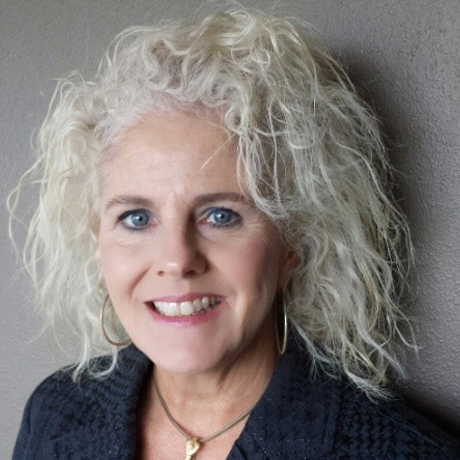
By Megan Urban, OMNI Practice Group
You are probably tired of thinking and talking about LAC, or Life After COVID, but it is coming ready or not. Here are some simple ideas that can make “re-entry” into your dental practice safe and smooth for you, your staff, and your patients. These are not necessarily new concepts, but they are not typically practiced in most offices and it is time to take them seriously.
Cleaning and treatment same day
Multiple offices discuss at morning huddle which patients in the dentist’s schedule need a cleaning. Be proactive and look 1 week ahead instead of the same day to allow more control of your schedule. Contact the patient ahead of time and create a schedule where the patient comes in for treatment and cleaning. Utilizing just one op would be ideal if possible.
Think in terms of patient families
Since most families have been quarantining together, look at all family members and have them all come in together for cleanings and treatment. They can fill the waiting room together and you can treat an entire family each morning. This will probably be more convenient for many patients too. Make sure you confirm these appointments properly, so you don’t have an empty half day.
Full mouth treatment
Don’t assume patients will not want to invest in cosmetic treatment. During quarantine, some of the most missed aspects of daily life were hair appointments, beard trims, manicures, pedicures, salon services, elective surgery, Botox treatments, etc. Personal appearance is definitely more important than many will admit and are willing to spend the money to make it happen. Even if it’s not cosmetic work, consider completing more than one quadrant of treatment at a time. Complete all treatments at one appointment reduces clean up and reduces time away from work for patients – which is more important now as everyone gets back to work.
Go forth and prosper.
Connect with Megan on LinkedIn!
Read MoreEffectively Managing and Maximizing the Value of your Practice

By Kevin Brady, OMNI Practice Group
Dental Practice owners know, there’s a lot more to running the business than treating patients.
Owners are responsible for hiring and managing staff, billing patients and insurance companies, handling accounts payable and receivable, and becoming proficient on dental software to operate the practice.
All these duties have a negative impact on both the time dentists are available to their patients and the profitability of the practice.
Practice Demands
It’s no secret that dentists face increasing constraints on their time. This means providing high-quality care for their patients, which entails creating treatment plans and participating in continuing education to keep abreast of the latest innovations in dentistry.
At the same time, the dentist needs to be CEOs of their practice. In this capacity, they are tasked with:
-Hiring, training, firing, and managing staff
-Marketing the practice
-Understanding insurance changes and HIPAA regulations
-Managing the billing, collections, and account payables/receivable processes
-Ensuring the office is running smoothly
-Maintaining and enhancing office technology
-Dealing with economic conditions affecting the bottom line of the practice
A lot of dentists come out of school dreaming about doing dentistry and they become disillusioned after a short time learning that not only do they perform dentistry, they have to run a business. When a dentist is overwhelmed with the business aspects of their practice, it is time to seek help.
Outsourcing
Employing third parties to help with the daily business aspects can allow dentists to focus more on their core competencies to enrich patient care. Dentists have many choices when seeking advice and outsourcing partners. Most major software companies have additional services to help with outsourcing patient billing and insurance billing, which allows the office to go paperless. Enhancing the Billing/Collections and freeing up doctor and staff time allows the practice to be more productive and profitable.
Marketing
Developing a Marketing plan is important in building a sustainable practice over time. The ADA says a good rule of thumb when budgeting for marketing expenses is to allow 3-6% of a new practice’s expenses; 2-3% for mature practices; and about 4% for practices that are in the middle. A start-up practice should plan to spend about $40,000 on marketing during the first year, with those costs incorporated into the overall practice financing.
Internal marketing is the least expensive way to build and maintain existing patients and generate new patients. Practices that successfully connect with patients have the best marketing vehicle available – positive word of mouth that current patients share with families, friends, and coworkers that generate new patients for little or no cost.
Having a website that connects the practice with your ideal patient is critical to keeping existing patients and generating new patients. Once you have a branded site, make sure you continue to enhance it with Search Engine Optimization – (SEO). Keeping up with SEO will increase the quality and increase the visibility of the website to internet search engines.
Making sure you have the right branding and marketing strategies designed to endure the current market conditions and changes are critical for the practice to compete with larger corporate dentistry groups.
Practice Transitions – Buying or Selling a Practice
Just as dentistry is a profession that is highly trained and practiced, so are the professional services recommended for selling and buying a practice. A dentist that is looking to sell or buy a practice should seek professional help. Selling or buying a practice can have very complex processes and numerous legal, financial, and tax implications.
OMNI Practice Group is one of the experts in the industry helping dentists with developing plans for adding associates, developing transitions plans, and selling or buying a dental practice and real estate.
Omni provides:
-Practice Appraisals
-Web Practice Listing Services
-Marketing and Listing services
-Practice Real Estate and Lease services
-Banking Referral Options
Being a Dentist/CEO can present a lot of challenges with operating a dental practice in today’s market. Using the right partners can help improve efficiencies, generate new patients, and increase the value of the practice.
Contact us today for a no-obligation consultation with one of our expert Practice Transition Advisors.
Click here to connect with Kevin on LinkedIn!
Read MoreBiggest Decisions Dentists Will Have to Make
By Kevin Brady, OMNI Practice Group
As a dentist, you worked hard to build a successful dental practice. This has often meant putting in long hours, dealing with staff turnover, insurance hassles, ongoing CE requirements, and economic issues. Everything about the practice has been on your shoulders, along with having a good life balance outside the practice. Then comes that day when you want to transition the practice and retire.
Transitioning the practice is probably one of the biggest decisions a dentist will make in their career. Deciding on whether to transition the practice to a partner, associate, a new dentist, or corporate dentistry, you will need expert help to make the right decision.
Developing a plan
Having a plan that is 6-8 years out from transitioning the practice will allow you to maximize the fruits of your labor. Most dentists should consult experienced and reputable practice transition advisors who specialize in dental practice transactions. Having the practice transition consultant explain the practice valuation process can show you your practice’s true worth. This will allow you to develop a plan that meets with your goals of when you want to transition the practice and what you want the practice to be worth. This will allow the practice transition consultant to advise you on possible strategies to maintain or increase the value of the practice, ensuring that your practice is ready to transition when you are. Many dentists wait “too long” to develop a plan and make decisions to slow down as they get closer to a retirement date or they may add new overhead or make other business decisions that could have a huge negative impact on the value of the practice.
Consider all possible options
Developing a plan early will allow you to compare different possible options to transition the practice. Explore all the different options with your practice transition advisor and pick the one that is right for you and your professional reputation and legacy.
Finding the right buyer
Finding the right buyer that is financially qualified to buy the practice is the most important process of the transition process. Working with your practice transition advisor and their banking partners will allow you to identify the most qualified candidates to negotiate a final deal. Using an expert practice transition advisor will help to maximize the value of your practice and make for a smooth transition.
Finalizing the deal
Once you have a qualified buyer and an offer for the practice, the offer must be reviewed with your attorney and accountant before you accept to make sure that you are protected and know the tax implication of the sale. This will provide you with expert guidance that all your personal financial affairs are in order and you are sufficiently funded for your retirement.
Transitioning of the practice
Developing a transition plan with your transition practice advisor and the new buyer is critical for a smooth transition. A plan must be in place to ensure patients and staff retention. Most dental practice transitions require a transition time commitment from the seller. Make sure you work with your transition practice advisor to identify a time commitment that fits with your exit time frames. This transition time frame is an essential process in providing the buyer with a comprehensive understanding of the day to day operations of your practice.
Practice Transitions Buying or Selling a practice
If you are thinking about transitioning your practice now or within 8 years, you should seek professional help. Selling or buying a practice can have complex processes and numerous legal, financial, and tax implications.
OMNI Practice Group is one of the experts in the industry helping dentists for over 15 years, with developing plans for adding associates, developing transition plans, and selling or buying a dental practice and real estate.
Omni provides:
- Practice Appraisals
- Web Practice Listing Services
- Marketing and Listing services
- Practice Real Estate and Lease services
- Banking Referral Options
Patients seek out their dentist professionals for help when they need it, dentists should also seek out the use of experts in assisting them with all their transitioning needs.
Contact us today for a no-obligation consultation with one of our expert Practice Transition Advisors.
Click here to connect with Kevin on LinkedIn!
Read MoreMaximize Your Practice Value
Freshen up your practice – Buyers like to see a fresh, clean and somewhat updated practice. That does not mean you need to do a complete remodel and spend a $100,000. It does mean you need to take a look at your flooring and your walls. If you have large holes in your wall or your flooring was leftover linoleum from World War II, you should fix the holes and put in new flooring. Talk to your landlord, sometimes they will help with the cost. If you have equipment that is held together by the “fix everything” duct tape, contact your local equipment rep and have it fixed.
Update your technology – We run into an occasional practice owner that considers indoor plumbing as new technology. If you are in that category, or if you have not done any technology updates since Richard Nixon was president, you should look into digital x-rays and other technology that will not only appeal to buyers but will help you increase your production in the practice. Contact your equipment rep for the latest and great technology.
Financial Review – Have a meeting with your financial planner or advisor to see where you currently stand with your retirement portfolio. This will help determine how soon you can possibly retire, how much more you may need to put away to retire and/or how much you need to get out of your practice sale in order to retire.
Practice Valuation – You should get a valuation done on your practice. This will help your financial planner and you see where you stand with your entire portfolio. Some doctors rely heavily on their practice sale to be a piece of their retirement nest-egg, so if you don’t know what your practice may be worth, you don’t know what size of nest-egg you have. Call Omni for a free snapshot valuation.
Clean up your books – If you have been aggressive in running expenses and other items through payroll, you should work on making sure the books are clean. If you have multiple practices but run all of your income and expenses through one tax id number, you should ensure you can separate the income and expenses of both practices. Meet with your CPA to analyze your numbers and see if you are in line with industry averages.
Grow your practice – One of the worst things you can do is take your foot off of the gas pedal. If you want to maximize the value of your practice, keep production at least level with prior years. A growing practice sells quicker and easier than a dying practice. If you don’t know how to grow your practice and make it more sellable, contact a consultant, or have a practice assessment done.
These are just a few items that you can do to help prepare your practice for a sale. If you work on these items now and over the next 3 years, you will maximize your practice value, enlarge your pool of potential buyers and be able to sell your practice quicker. For a free consultation or an expanded list of things to work on, give us a call at 877-866-6053.
Q&A on Covid’s Effect on Practice Values and Sales
By Rod Johnston, CMA, MBA, OMNI Practice Group
As dentists start going back to work and opening their offices, they have a lot of questions on their minds. The questions range from Human Resources related questions to questions on selling their dental practice. While I am not an HR expert, I can answer the questions on practice values and sales. Or, at least, I can give my thoughts and opinions like everyone else. Below are some questions that I have received with the answers I provided. Disclaimer – the answers I provided are my own only and are based on my opinion, the opinions of other “experts” and past history.
Question #1 – How are COVID and the mandatory shutdown going to affect the value of my practice?
Answer #1 – Good practices in good locations are going to sell for a good value in the short and long term. Practices that are in a good area with good cash flow and profitability, good patient base with great staff will sell for a price similar to that of prices pre-COVID shutdown. Buyers reps and consultants will argue that there should be a “COVID Discount” because we don’t know if patients and numbers are going to come back. I call cow-pucky on their argument. For these good practices, there is a reason they are good practices. The goodwill – location, staff, reputation, even the selling doctor is still there. Patients will need work done and the numbers will follow. I’ve spoken with several doctors in the past two days who have nice practices and they reported that their schedule is filling up into the end of June already. There is pent-up demand.
Now, for those practices performing below average of under $450,000 per year with not great margins, older equipment, and transient patient base, they may need to take a discount to sell. They probably would pre-COVID as well, but its even more firm now. The discount can be 10% to 20% depending on the practice.
Question #2 – Are Buyers still Buying Practices?
Answer #2 – In short, yes. We have been marketing our practice listings continuously throughout the shutdown. We have received a number of calls and e-mails with interest in practices. The high demand metropolitan areas are getting the most interest, but we are still getting interest in other areas as well.
Question #3 – Can Buyers get Bank Financing?
Answer #3 – As President of the National Association of Practice Brokers, I have been in contact with many banks across the country. There are some banks that provide practice financing that have completely stopped lending on practices at the moment. They reported that they will start lending again when everyone is back up and running. There are others who have been continuing to lend. Practice sales have occurred even during the shutdown.
Question #4 – Are Banks changing the way they are approving and structuring the transaction?
Answer #4 – Most of the banks have told us that they want to see 60 to 90 days of productivity after the practice has opened. They would like the production to be a minimum of 75% to 85% of pre-COVID production before they’ll approve the loan. For example, a practice producing $100,000 per month pre-COVID will be expected to produce a minimum of $75,000 per month for the two or three months after re-opening. This depends on the bank and there may be exceptions to the rule.
On deal structures, some banks are saying they are lowering their loan amounts to 75% of the production and some will remain at the pre-COVID number of 85%. If the price of the practice is above 75%, the seller will be asked to “carry-back” a portion of the loan. For example, a seller with a practice valued at 85% of collections that is being purchased by a buyer who is using Bank X which has a loan to gross collections of 75% will be asked to carry a note for the last 10% of the value of the practice over a period of time. The term or length of time of the carryback can be negotiated to some degree.
Question #5 – What are the most important things to do if I’m thinking about selling my practice in the near term?
Answer #5 – As “they” say, Cash Flow is King. You need to get your collection numbers back to near where they were pre-Covid as quickly as reasonably possible. You should also evaluate the profitability of your practice and see where you stand compared to where you should be. Ratio analysis will tell you if your payroll, supply, lab expense, etc., is too high, or where it should be. If you need help with the analysis, give Omni a call.
If you have any other questions related to selling your practice either now, or in the future, please feel free to call us anytime. We are always here to give you any guidance and advice that we can. Stay safe and be healthy.
Read More