
Why Practices Don’t Sell
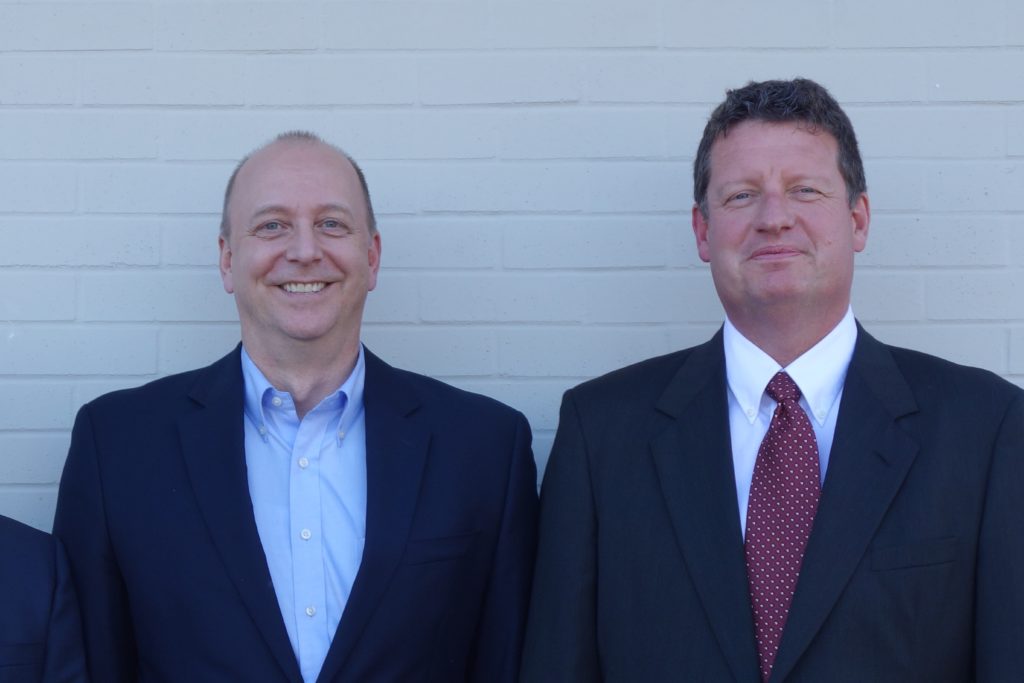 By Rod Johnston and Jim Vander Mey
Your practice has successfully worked for you for many years so why isn’t it selling? It could be the transition consultant (broker) you are using, or it could be your practice.
Working with an experienced transition consultant is important. We know where and how to advertise. It doesn’t work to simply advertise on a website. You will want marketing and advertising in schools across the country, veterinary journals, and county/state societies. An experienced consultant already has a list of potential buyers for your area or type and may have other creative grassroots ideas to find the right buyer.
The right consultant cares about you, your team, practice, and goals. It shouldn’t be just about the commission money. Your consultant should be responsive and professional to potential buyers and you.
A comprehensive valuation and prospectus are important. If you or your consultant price your practice too high, it can be offensive to potential buyers, and they won’t feel comfortable offering a lower price. Even if you find a buyer willing to overpay for your practice, the bank will not finance 100%, which means you have to become a bank for a specific amount of the purchase price.
Sometimes even when you have the right consultant your practice may have other reasons for not selling. Sometimes it’s simply not finding the right veterinarian at the right time. Often it is because your location is not desirable to new buyers and their families. Sometimes it’s the size of the practice. We all know practices with two exam rooms can be very efficient and profitable, but many buyers want 3 rooms or more.
Declining collections the last 3 years or simply low collections can be a deterrent to potential buyers and banks. They understand reasons such as more time off due to vacation or health issues.
Most buyers understand they may need to update style or equipment and technology, but if it’s a lot of cost and effort, they may keep looking for a better practice.
If your practice falls into any of these areas of concern, it will take more time than the average to sell. Lowering the price may help, but if there is no interest, it’s not the price that’s the problem. Don’t give up or get mad, just understand that while your practice may have been perfect for you, it can be a while to find the right buyer.
Read MoreTypical Concerns of Sellers
Typical Concerns of Sellers
By: Megan Urban
Most dentists may only buy and sell a practice once in their career, so it’s nearly impossible to know what to expect. You may have a few friends that have done it, but like wisdom teeth removal or birthing a baby, you will hear some wild and crazy things that may not be entirely accurate. We’ve helped dentists with hundreds of practice transitions and are happy to share what realistically happens. Below are some of the standard stresses that sellers have shared with us in the past so you can become oriented and keep positively moving forward.
Where do I start?
Talk with your broker or transition specialist so we can learn about your specific situation and discuss how we might help.
Do I sell my building or condo with my practice or later?
In most situations we recommend selling the real estate at the same time that you sell your practice. You will get the most value for your space if sold to a dentist and an empty dental space is difficult to sell unless you own oceanfront property. We also don’t want the new buyer to lease for a few years, then relocate and build a practice in a new, high-tech facility. Depending on the cash flow of your practice the buyer may not need a downpayment on the real estate portion, but if so, typically you as the seller may decide to carry that note.
Should I update my office and get new equipment?
If your office looks like it’s from 1985, let’s discuss if getting new carpet and paint may be worthwhile. If all your chairs, x-ray units, etc. all still work, we may want to wait and let the new dentist purchase what they want or need. Typically, banks will loan additional funds to cover any mandatory equipment the buyer needs to sit down and produce at least what you have been producing.
Do I have to sell to a large dental services organization?
You can sell to any buyer you determine is the right fit for you, your patients and team. Often large groups want you to stay on and work for a few years and meet production goals. They typically pay you a certain percentage of your practice sales price at the time of the sale and pay out the rest over a negotiated term. And for the record, we don’t know any groups paying 5-10% EBITDA. This thought is out there and the only way you may get there is if you count the amount they pay you as a provider for years, not truly the purchase price. Any practice must pay you for your work. I know there is a lot of concern about the large dental services organizations, and they are here to stay, but we still sell to many private practice dentists.
Should I tell my team I plan to sell?
We don’t recommend it because they typically get anxious and look for another job. I have had times where the dentist was not comfortable with waiting, and we figured out a way to present this to the team and retain them.
How do I know how much my practice and building are worth?
We can do a complimentary quick look and give you an idea of what your practice is worth. We can also complete a full valuation of your practice if you would like. If you list your practice with us, a Practice Prospectus will also be completed that we provide to potential buyers. When selling the real estate, we also complete a Brokers Price Opinion. With this information we determine both the price of the practice and the real estate together. You have the opportunity to look at offers provided by any potential buyers.
Can young dentists get money to purchase my practice?
Dental-specific lenders understand dentistry and if the cash flow supports the sales price, they will loan the full practice amount and usually provide around $75,000 for working capital. The banks understand that young buyers have a large amount of student debt.
How do I get sales documents?
Your dental attorney will draft those documents and we can provide you with some recommendations for dental-specific attorneys. Your attorney will provide guidance and ask questions to help complete the appropriate documents for your situation. We always strongly suggest that the buyer work with a dental-specific attorney as well so that everything goes forward in a timely and correct manner.
How long will it take to sell?
On average it may take 6 months to a year. Depending on your profitability and location, it may be faster, or we’ve seen it take up to three years. Young dentists typically like to make at least $250,000 or they may consider staying at their associate position for the same income and little responsibility. Buyers love to be able to add services, so if you are a few years out from selling, consider making your own codes to bill out regarding referrals to each specialist.
Is it mandatory or optional for me to stay on and work?
There are always options. If you provide services the buyer does not, you may need to stay on until the buyer can learn to take over these procedures. If you want to work, it’s something to discuss. The buyer may not want to work as much, and you can negotiate staying on. The Lender may not allow it if the cash flow is too low. The buyer may need all of the production to pay the loan. Sometimes we see sellers stay on for a while or cover vacation or maternity leave. If you are in the office providing services, you need to be paid and the attorney will write an Employment Agreement.
How do I sign sales documents and get paid?
Typically, final documents are signed electronically, and escrow helps facilitate this. Escrow will also look at items such as personal property tax, utilities, etc. and do a proration of those amounts, and the final amount owed to you can be sent by check or electronically deposited into the account of your choice.
Like anything you don’t do on a regular basis, selling a practice can be stressful. Rest assured that all your trusted dental advisors, broker, CPA, and attorney, will proactively guide you through the process. Each transition is truly unique, and we deal with issues that arise and help you to obtain your goals. Give us a call so we can understand your specific situation and what next steps may be best for you and your family.
Read MorePreparing For The Emotional Roller Coaster When Selling
Selling a chair or even charts is easy. It’s just an object that you are giving to another doctor to own. But, I’ve had many doctors who realize their lives will be different going forward after their transition. They may have staff they have worked with for 25 years or more. They have seen patients grow from being a child to being a parent and some even become grandparents. Now their children and grandchildren are patients of the office. You have vendors and your CPA that you have gotten to know personally and confide in. Staff, patients, and the vendors have all become family and you will not be seeing them as often as you have in the past.
You will also be changing your life in that you no longer are the owner, manager, and decision-maker with people relying on you to lead them. You may no longer have to wake up and go to work every day. Believe it or not, you may even have “spare” time and have to find new hobbies, rekindle old ones or maybe even find take care of the honey-do list.
The good, if not great news, is that the staff, patients, and vendors are thankful for the years of service you have provided them in addition to your friendship. They want you to enjoy life and spend time with your real family – spouse, your parents, kids, and grandkids. Preparing for this emotional aspect of your dental practice sale will help make your practice transition into retired life a much smoother process.
PREPARING FOR THE EMOTIONAL ROLLER COASTER IN YOUR VETERINARY PRACTICE TRANSITION
Selling pet food or even charts is easy. It’s just an object that you are giving to another doctor to own. But, I’ve had many doctors who realize their life will be different going forward after their transition. They may have staff they have worked with for 25 years or more. They have seen patients grow from being a child to being a parent and some even become grandparents. Now their children and grandchildren are patients of the office. You have vendors and your CPA that you have gotten to know personally and confide in. Staff, patients and the vendors have all become family and you will not be seeing them as often as you have in the past.
You will also be changing your life in that you no longer are the owner, manager and decision maker with people relying on you to lead them. You may no longer have to wake up and go to work every day. Believe it or not, you may even have “spare” time and have to find new hobbies, rekindle old ones or maybe even find take care of the honey-do list.
The good, if not great news, is that the staff, patients and vendors are thankful for the years of service you have provided them in addition to your friendship. They want you to enjoy life and spend time with your real family – spouse, your parents, kids, and grandkids. Preparing for this emotional aspect of your veterinary practice sale will help make your veterinary practice transition into retired life a much smoother process.
Not All Valuations Are Created Equal
Practice valuations and those that value practices can come in all shapes and sizes. Did you know that there are probably 20 different methods you can use to value a practice? Did you know there are 5 to 10 different certifications or accreditations one can work towards obtaining?
Rule of thumb valuations are ones that are typically quoted and overly abused. The typical rule of thumb in a dental practice is a value based on a percentage of the practices gross collections. For metropolitan areas, the rule of thumb can be from 85% of collections up to 100% of collections. For a rural area, the value is typically 65% up to 85% of collections. Sounds simple and straightforward, but why can this be inaccurate?
The first reason is the practice may have a good gross production number, say $800,000, but it also may be mismanaged with overhead of $750,000 leaving $50,000 leftover for debt service and salary for the doctor. Do you want to work for nothing? Using a rule of thumb approach, this practice, if in downtown Seattle or Portland, would sell for between $700,000 and $800,000. Secondly, you don’t know what is being run through the gross revenue production number. Is the practice on capitation plans, DSHS, or another low reimbursement program? Low reimbursement means low money to the practice, narrowing the margins. If you get a high volume of the low reimbursement programs, you can bump up your gross and leave little to pay off debt and doctors salary.
Another valuation method that can be dangerous is called the cash flow method. This method calculates an adjusted cash flow to the practice. The valuator will then normalize a doctors’ salary and calculate a value based on how much debt the practice can afford to pay. In some practices, the valuator will use a forecasted number to get the value even higher. This helps the seller when selling a practice, but is bad for the buyer as he or she is stuck paying a high debt payment each month.
Omni follows standards set by the Institute of Business Appraisers and the Society of Certified Public Accountants Certified Valuation Analyst program. We have on staff an Accredited Business Appraiser as well as two Certified Valuation Analysts. We use three different valuation methods to determine the value of a practice – the Production Acquisition Method, the Capitalization Rate Method and the Book Value method. Each of these methods focuses on a different aspect of the practice. After we calculate all 3 methods, we blend them to determine the total value of the practice. Blending these methods gives us a value that looks at the assets, cash flow and overall collections of the practice – a full picture of the entire practice and not just a glimpse of one aspect of the practice.
If you are interested in hearing more about Omni’s Practice Valuations, send us an email or give us a call at 877-866-6053 today!